Honoring Legends,
Inspiring Futures.

People
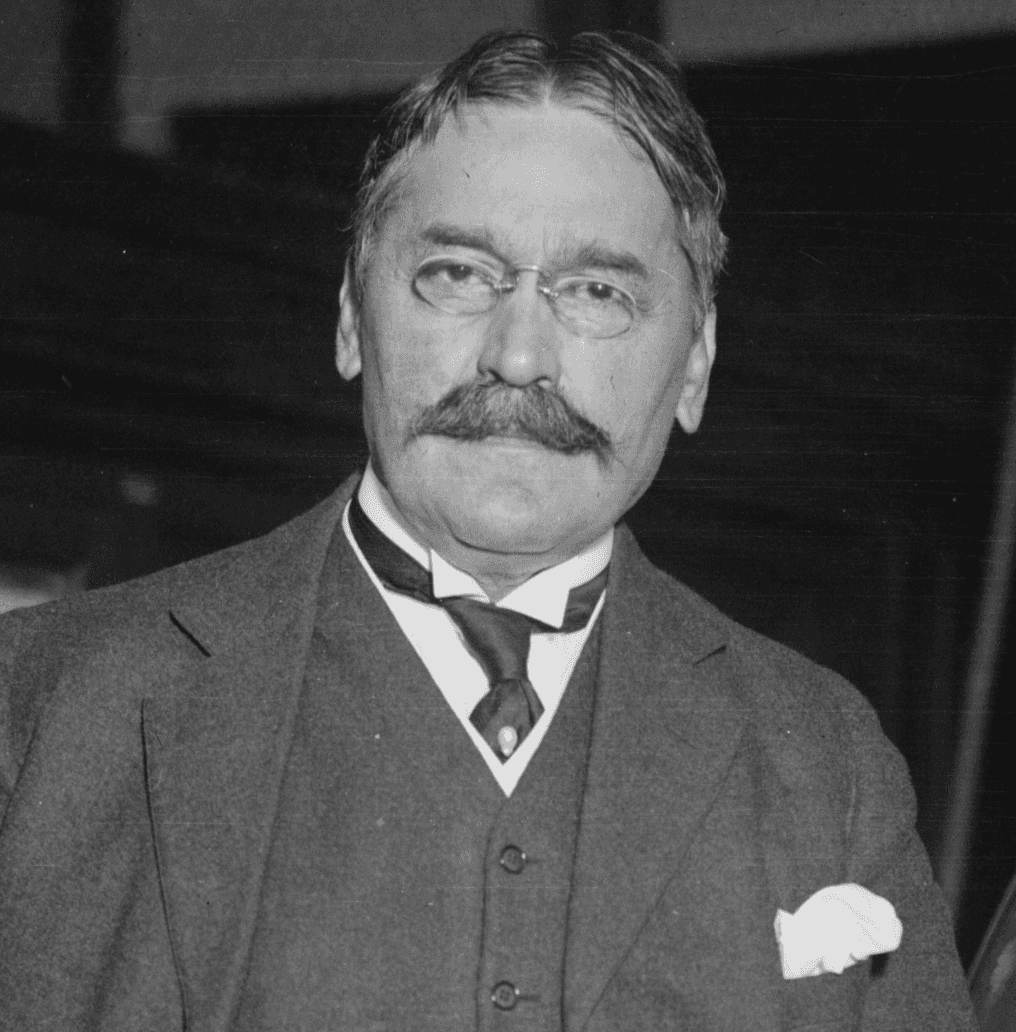
Mihajlo Pupin
Mihajlo Pupin (1858–1935) was a Serbian-American electrical engineer, physicist, and inventor whose pioneering work in telecommunications and radiology profoundly impacted science and society. Born in the village of Idvor, in the Banat region of the Austrian Empire (today Serbia), Pupin came from a humble peasant background. His early education was marked by both brilliance and hardship. After excelling in school, he emigrated to the United States in 1874, arriving in New York City with just a few cents to his name.
Despite the challenges of immigrant life, Pupin worked various manual jobs and learned English, eventually earning admission to Columbia College (now Columbia University). There, his scientific talents flourished under the mentorship of renowned professors. After graduating with honors in 1883, he continued his studies in Europe, earning a Ph.D. in physics from the University of Berlin, where he studied under greats like Hermann von Helmholtz.
Mihajlo Pupin
Mihajlo Pupin (1858–1935) was a Serbian-American electrical engineer, physicist, and inventor whose pioneering work in telecommunications and radiology profoundly impacted science and society. Born in the village of Idvor, in the Banat region of the Austrian Empire (today Serbia), Pupin came from a humble peasant background. His early education was marked by both brilliance and hardship. After excelling in school, he emigrated to the United States in 1874, arriving in New York City with just a few cents to his name.
Despite the challenges of immigrant life, Pupin worked various manual jobs and learned English, eventually earning admission to Columbia College (now Columbia University). There, his scientific talents flourished under the mentorship of renowned professors. After graduating with honors in 1883, he continued his studies in Europe, earning a Ph.D. in physics from the University of Berlin, where he studied under greats like Hermann von Helmholtz.
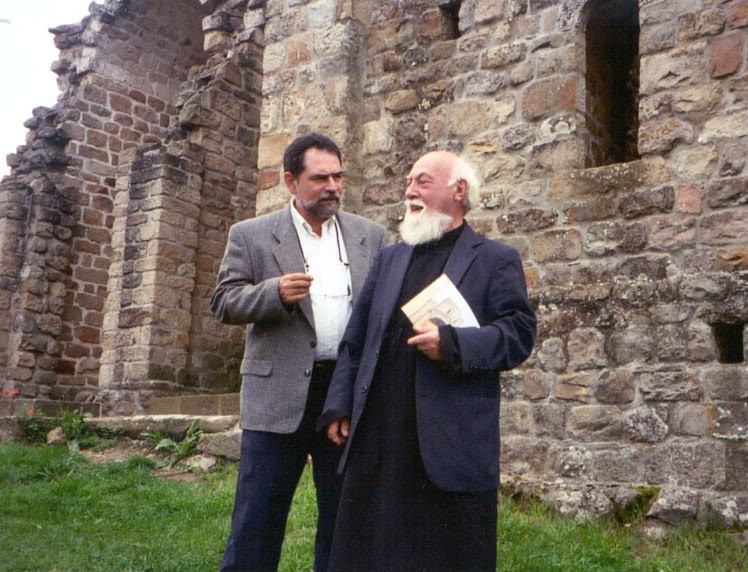
Mateja Matejić
Mateja Matejić was a Serbian-American writer, university professor, and one of the most prominent promoters of Serbian culture in the United States. He was born in Smederevo in 1924, and after World War II emigrated to the US in 1956 as a political immigrant. He completed his theological education in a refugee camp in Italy, where he was also ordained as a priest.
He spent most of his professional life as a professor of Slavic languages and literature at Ohio State University, where he taught Serbian and Yugoslav literature, as well as the Serbian language. He was one of the founders and long-time director of the Hilandar Research Library, which became one of the most important centers for the study of Serbian medieval culture outside Serbia.
Mateja Matejić
Mateja Matejić was a Serbian-American writer, university professor, and one of the most prominent promoters of Serbian culture in the United States. He was born in Smederevo in 1924, and after World War II emigrated to the US in 1956 as a political immigrant. He completed his theological education in a refugee camp in Italy, where he was also ordained as a priest.
He spent most of his professional life as a professor of Slavic languages and literature at Ohio State University, where he taught Serbian and Yugoslav literature, as well as the Serbian language. He was one of the founders and long-time director of the Hilandar Research Library, which became one of the most important centers for the study of Serbian medieval culture outside Serbia.
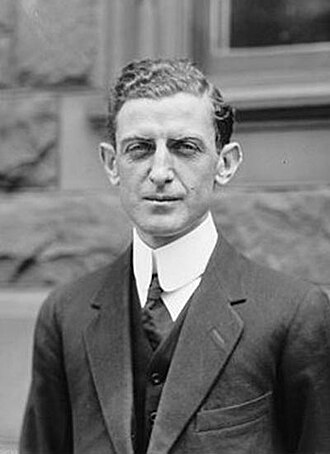
Dr. Edward W. Ryan
Edward W. Ryan was born in 1883 in Scranton and studied medicine at Fordham University in New York City. After graduating in 1912, he initially worked in hospitals in New York. However, his career soon took a dramatic turn toward international humanitarian work. By 1913, he had joined the American Red Cross and began working in crisis zones around the world, gaining experience treating wounded soldiers and civilians during conflicts and epidemics.
When the First World War began in 1914, Serbia faced catastrophic conditions. The country was under military attack while also suffering from devastating epidemics, particularly typhus. In response, the American Red Cross sent a medical mission to help. Led by Ryan, a team of surgeons and nurses arrived in Belgrade in the autumn of 1914 to assist the overwhelmed Serbian medical services.
Dr. Edward W. Ryan
Edward W. Ryan was born in 1883 in Scranton and studied medicine at Fordham University in New York City. After graduating in 1912, he initially worked in hospitals in New York. However, his career soon took a dramatic turn toward international humanitarian work. By 1913, he had joined the American Red Cross and began working in crisis zones around the world, gaining experience treating wounded soldiers and civilians during conflicts and epidemics.
When the First World War began in 1914, Serbia faced catastrophic conditions. The country was under military attack while also suffering from devastating epidemics, particularly typhus. In response, the American Red Cross sent a medical mission to help. Led by Ryan, a team of surgeons and nurses arrived in Belgrade in the autumn of 1914 to assist the overwhelmed Serbian medical services.

Pete Maravich
Born on June 22, 1947, in Aliquippa, Pennsylvania, Maravich grew up surrounded by the game. His father, Press Maravich, was the son of Serbian immigrants from present-day Croatia and a deeply respected basketball coach whose European discipline and creativity shaped Pete’s earliest understanding of the sport.
Maravich’s rise to national prominence began at Louisiana State University, where he delivered one of the most remarkable college careers ever recorded. Playing under his father, he averaged an astonishing 44.2 points per game, setting the all-time NCAA scoring record which is still standing despite playing in an era without the three-point line or shot clock. His dazzling ball-handling, unexpected passing angles, and deep-range shooting were unlike anything the college game had seen, turning LSU into a must-watch program and Maravich into a cultural phenomenon.
Pete Maravich
Born on June 22, 1947, in Aliquippa, Pennsylvania, Maravich grew up surrounded by the game. His father, Press Maravich, was the son of Serbian immigrants from present-day Croatia and a deeply respected basketball coach whose European discipline and creativity shaped Pete’s earliest understanding of the sport.
Maravich’s rise to national prominence began at Louisiana State University, where he delivered one of the most remarkable college careers ever recorded. Playing under his father, he averaged an astonishing 44.2 points per game, setting the all-time NCAA scoring record which is still standing despite playing in an era without the three-point line or shot clock. His dazzling ball-handling, unexpected passing angles, and deep-range shooting were unlike anything the college game had seen, turning LSU into a must-watch program and Maravich into a cultural phenomenon.

Milan Mandarić
Milan Mandarić (1937-2025) was raised in a modest family from Lika, Yugoslavia (present-day Croatia), and after working in his father’s machine shop, he became director of a factory in Yugoslavia. Frustrated by political and economic restrictions, he left the country in the early 1960s. He first moved to France, where he worked in the computer industry, and then emigrated to the United States. Settling in California, he founded Lika Corporation, a company producing electronic components used in the emerging computer sector. His firm became a key supplier to companies in Silicon Valley, and he later sold it, using the proceeds to start new ventures in high technology and manufacturing.
Milan Mandarić
Milan Mandarić (1937-2025) was raised in a modest family from Lika, Yugoslavia (present-day Croatia), and after working in his father’s machine shop, he became director of a factory in Yugoslavia. Frustrated by political and economic restrictions, he left the country in the early 1960s. He first moved to France, where he worked in the computer industry, and then emigrated to the United States. Settling in California, he founded Lika Corporation, a company producing electronic components used in the emerging computer sector. His firm became a key supplier to companies in Silicon Valley, and he later sold it, using the proceeds to start new ventures in high technology and manufacturing.
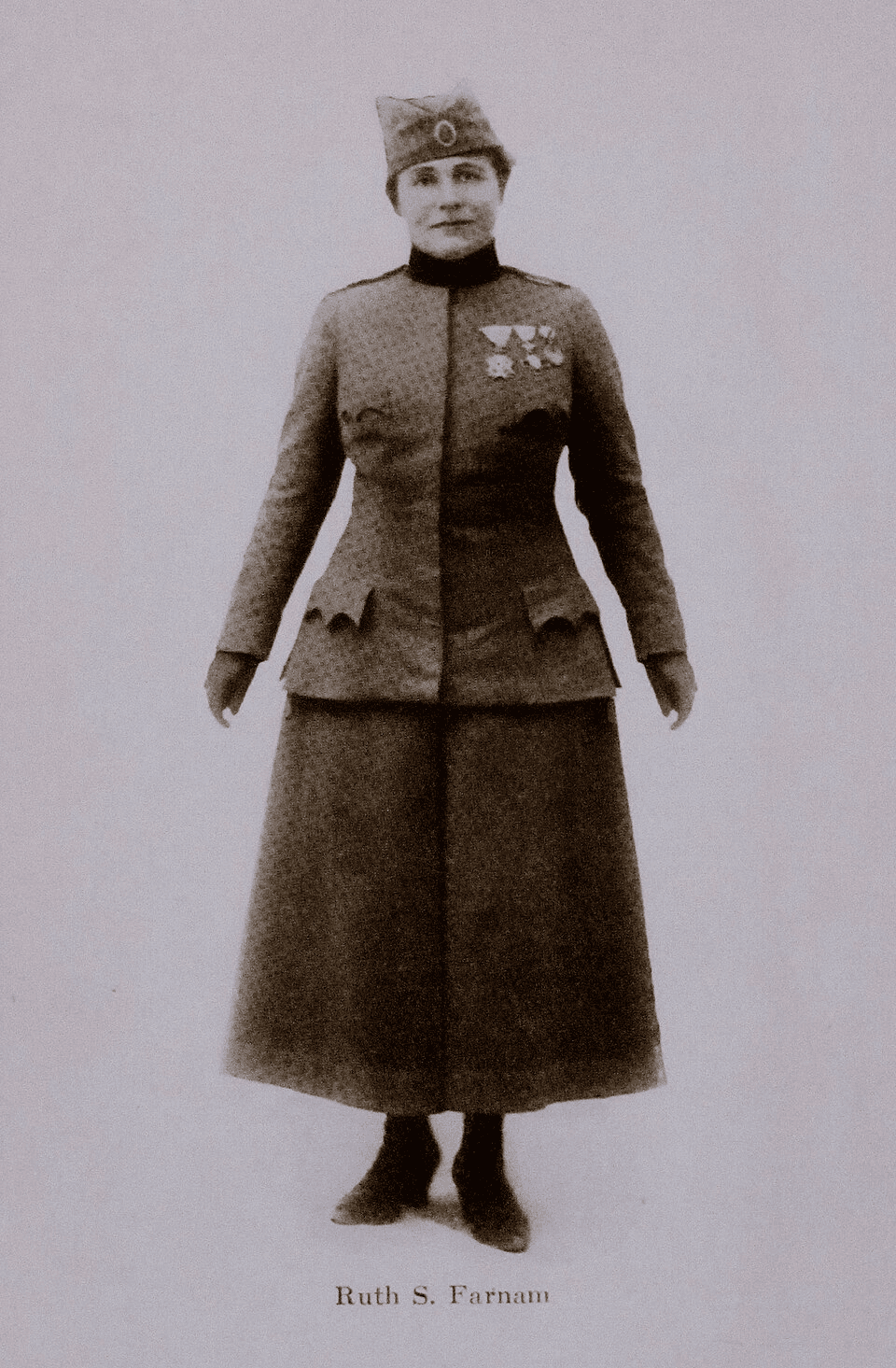
Ruth S. Farnam
Ruth Stanley Farnam (1873–1956) was an American writer, philanthropist, and soldier, remembered for her extraordinary service in Serbia during the Balkan Wars and the First World War. Born in Patchogue, New York, she grew up in a well-to-do family and received the kind of education and upbringing typical of American society women of her time. For many years, her life was comfortable and private, devoted to family, travel, and artistic interests.
Ruth S. Farnam
Ruth Stanley Farnam (1873–1956) was an American writer, philanthropist, and soldier, remembered for her extraordinary service in Serbia during the Balkan Wars and the First World War. Born in Patchogue, New York, she grew up in a well-to-do family and received the kind of education and upbringing typical of American society women of her time. For many years, her life was comfortable and private, devoted to family, travel, and artistic interests.
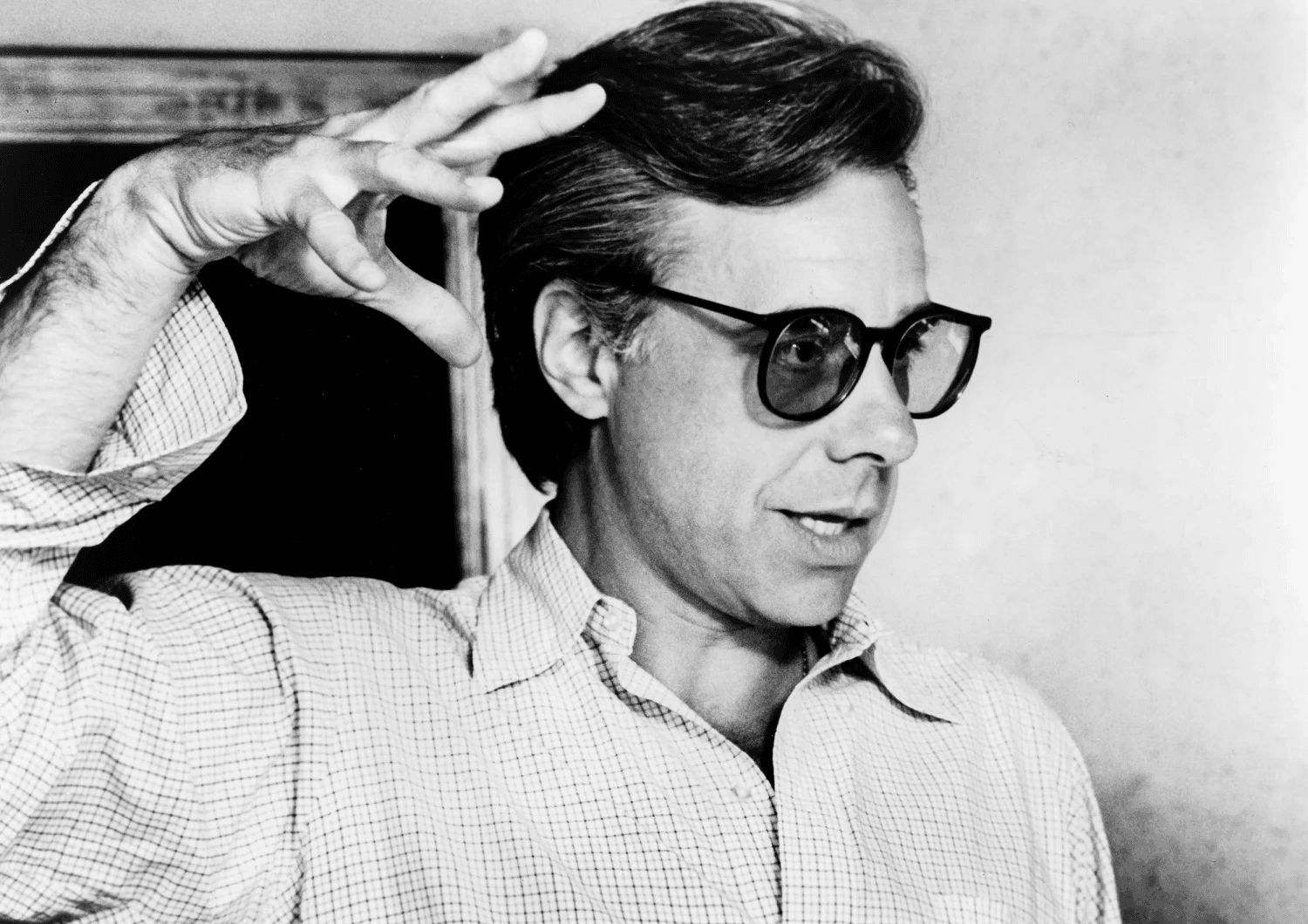
Peter Bodganovich
Peter Bogdanovich (1939–2022) was an American director, screenwriter, producer, critic, and actor, widely regarded as one of the key figures of the "New Hollywood" movement in the 1970s. Born in Kingston, New York, he was the son of Borislav Bogdanovich, a Serbian painter and pianist from Ruma, a town in Northern Serbia, and Herma Robinson, a Jewish immigrant from Austria. Raised in a multilingual household steeped in European culture, Bogdanovich grew up with a strong sense of identity and an early exposure to the arts.
Peter Bodganovich
Peter Bogdanovich (1939–2022) was an American director, screenwriter, producer, critic, and actor, widely regarded as one of the key figures of the "New Hollywood" movement in the 1970s. Born in Kingston, New York, he was the son of Borislav Bogdanovich, a Serbian painter and pianist from Ruma, a town in Northern Serbia, and Herma Robinson, a Jewish immigrant from Austria. Raised in a multilingual household steeped in European culture, Bogdanovich grew up with a strong sense of identity and an early exposure to the arts.
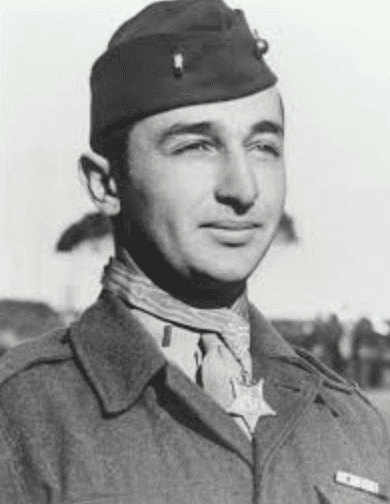
Mihajlo Pejić
/Mitchell Paige
Mitchell Paige (born Mihajlo Pejić, 1918–2003) was a highly decorated US Marine of Serbian descent, celebrated for his extraordinary valor during World War II.
Born in Pennsylvania near Charleroi to Serbian immigrants from the Austro-Hungarian Military Frontier, Paige was raised with deep respect for his heritage. Amid the Great Depression and limited job prospects, he walked hundreds of kilometers to enlist in the US Marines at age 18, adopting the name Mitchell Paige to assimilate more easily. After training, he was stationed near Manila in the Philippines, where he served for over a year and played baseball as a pitcher on the Marine team, even facing American All-Stars. His skill earned him a golden bat from the US High Commissioner to the Philippines.
Mihajlo Pejić
/Mitchell Paige
Mitchell Paige (born Mihajlo Pejić, 1918–2003) was a highly decorated US Marine of Serbian descent, celebrated for his extraordinary valor during World War II.
Born in Pennsylvania near Charleroi to Serbian immigrants from the Austro-Hungarian Military Frontier, Paige was raised with deep respect for his heritage. Amid the Great Depression and limited job prospects, he walked hundreds of kilometers to enlist in the US Marines at age 18, adopting the name Mitchell Paige to assimilate more easily. After training, he was stationed near Manila in the Philippines, where he served for over a year and played baseball as a pitcher on the Marine team, even facing American All-Stars. His skill earned him a golden bat from the US High Commissioner to the Philippines.
Rose Ann
Vuich
Rose Ann Vuich (1927–2001) was a pioneering California legislator and the first woman ever elected to the California State Senate. A conservative Democrat from Dinuba in the Central Valley, she was known for her integrity, fierce independence, and unwavering advocacy for farmers and rural communities.
Born to Serbian immigrant farmers from Herzegovina, Vuich was raised in Dinuba, southeast of Fresno. She studied accounting and worked with her brother managing their family’s 180-acre citrus and fruit tree farm. Politics was not her ambition—until 1976, when she unexpectedly ran for State Senate and only later learned that no woman had ever held a seat in that chamber. Despite being the underdog, she defeated a well-funded Republican and took office in 1977.
Rose Ann
Vuich
Rose Ann Vuich (1927–2001) was a pioneering California legislator and the first woman ever elected to the California State Senate. A conservative Democrat from Dinuba in the Central Valley, she was known for her integrity, fierce independence, and unwavering advocacy for farmers and rural communities.
Born to Serbian immigrant farmers from Herzegovina, Vuich was raised in Dinuba, southeast of Fresno. She studied accounting and worked with her brother managing their family’s 180-acre citrus and fruit tree farm. Politics was not her ambition—until 1976, when she unexpectedly ran for State Senate and only later learned that no woman had ever held a seat in that chamber. Despite being the underdog, she defeated a well-funded Republican and took office in 1977.

Charles Simić
Charles Simic (born Dušan Simić, 1938–2023) was a Pulitzer Prize-winning American poet, essayist, translator, and US Poet Laureate, renowned for his minimalist style, surreal imagery, and exploration of war, memory, and human suffering. Born in Belgrade in 1938, his childhood was marked by the trauma of Nazi occupation and the post-war devastation of Yugoslavia, experiences that would deeply shape his literary voice.
His father, Đorđe Simić, an engineer, moved to Italy and later to the United States after World War II. In 1954, Charles joined him in the US with his mother and brother. Upon arrival, his father gave him the name “Charles,” signaling the beginning of his American life. Early years in America were marked by financial hardship and family strain, including his parents’ divorce. While attending evening classes at New York University, Simic worked a range of jobs—proofreader, accountant, shirt salesman, bookstore clerk—and served two years in the US military.
Charles Simić
Charles Simic (born Dušan Simić, 1938–2023) was a Pulitzer Prize-winning American poet, essayist, translator, and US Poet Laureate, renowned for his minimalist style, surreal imagery, and exploration of war, memory, and human suffering. Born in Belgrade in 1938, his childhood was marked by the trauma of Nazi occupation and the post-war devastation of Yugoslavia, experiences that would deeply shape his literary voice.
His father, Đorđe Simić, an engineer, moved to Italy and later to the United States after World War II. In 1954, Charles joined him in the US with his mother and brother. Upon arrival, his father gave him the name “Charles,” signaling the beginning of his American life. Early years in America were marked by financial hardship and family strain, including his parents’ divorce. While attending evening classes at New York University, Simic worked a range of jobs—proofreader, accountant, shirt salesman, bookstore clerk—and served two years in the US military.
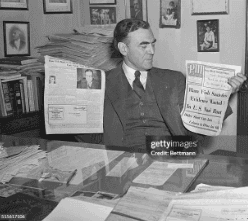
Hamilton Fish
Armstrong
Hamilton Fish Armstrong (1893–1973) was a prominent American journalist, editor, diplomat, and one of the most enduring friends of the Serbian people. Born into the influential Fish family of New York, he was named after his great-uncle Hamilton Fish, a former US Secretary of State under President Ulysses S. Grant. Armstrong graduated from Princeton University in 1916, but even before that, as a student in 1912, he demonstrated his commitment to Serbia by organizing a lottery to fund the purchase of automobiles for Serbian aid during the Balkan Wars.
His connection with Serbia deepened when he served as a military attaché in Serbia during World War I, gaining firsthand insight into the region’s political complexity and resilience. This experience ignited a lifelong interest in international relations, especially in the Balkans.
Hamilton Fish
Armstrong
Hamilton Fish Armstrong (1893–1973) was a prominent American journalist, editor, diplomat, and one of the most enduring friends of the Serbian people. Born into the influential Fish family of New York, he was named after his great-uncle Hamilton Fish, a former US Secretary of State under President Ulysses S. Grant. Armstrong graduated from Princeton University in 1916, but even before that, as a student in 1912, he demonstrated his commitment to Serbia by organizing a lottery to fund the purchase of automobiles for Serbian aid during the Balkan Wars.
His connection with Serbia deepened when he served as a military attaché in Serbia during World War I, gaining firsthand insight into the region’s political complexity and resilience. This experience ignited a lifelong interest in international relations, especially in the Balkans.
Paulina Lebl
-Albala
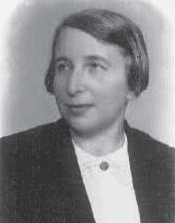
Paulina Lebl-Albala (1891–1967) was one of Serbia’s most prominent early 20th-century intellectuals—a translator, literary critic, feminist, and humanist who made lasting contributions to Serbian literature and civil society.
She was born in Belgrade in 1891 into a family of Ashkenazi Jews, the daughter of a Jewish engineer. She spent part of her childhood in Niš, where her father worked on railway construction, before enrolling at the First Women's Gymnasium in Belgrade. Paulina later studied classical studies at the Faculty of Philosophy at the University of Belgrade, where her professors included some of Serbia’s most influential literary critics—Jovan Skerlić and the Popović brothers, Jovan and Bogdan.
Paulina Lebl
-Albala
Paulina Lebl-Albala (1891–1967) was one of Serbia’s most prominent early 20th-century intellectuals—a translator, literary critic, feminist, and humanist who made lasting contributions to Serbian literature and civil society.
She was born in Belgrade in 1891 into a family of Ashkenazi Jews, the daughter of a Jewish engineer. She spent part of her childhood in Niš, where her father worked on railway construction, before enrolling at the First Women's Gymnasium in Belgrade. Paulina later studied classical studies at the Faculty of Philosophy at the University of Belgrade, where her professors included some of Serbia’s most influential literary critics—Jovan Skerlić and the Popović brothers, Jovan and Bogdan.
Leo Kasper
Leo Kasper (born 1893 in Minnesota) was an American engineer and humanitarian of Bavarian descent who played a vital role in post-World War I recovery efforts in Serbia, most notably overseeing the construction of the University Library in Belgrade, funded by the Carnegie Endowment for International Peace.
Kasper studied mining engineering and business administration in Minnesota. At the outbreak of World War I, he was working in Thessaloniki (Salonika) as assistant manager for the local Standard Oil office. He joined the US Army and served as a lieutenant in France. Toward the end of the war, he was assigned to southern Serbia under the American Relief Administration (ARA), a major US humanitarian mission for Europe’s recovery.
Leo Kasper
Leo Kasper (born 1893 in Minnesota) was an American engineer and humanitarian of Bavarian descent who played a vital role in post-World War I recovery efforts in Serbia, most notably overseeing the construction of the University Library in Belgrade, funded by the Carnegie Endowment for International Peace.
Kasper studied mining engineering and business administration in Minnesota. At the outbreak of World War I, he was working in Thessaloniki (Salonika) as assistant manager for the local Standard Oil office. He joined the US Army and served as a lieutenant in France. Toward the end of the war, he was assigned to southern Serbia under the American Relief Administration (ARA), a major US humanitarian mission for Europe’s recovery.
Vaso Vučurović
/Bill Vukovich
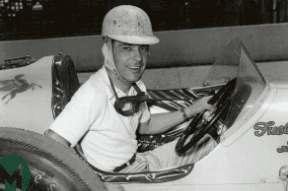
Bill Vukovich (born Vaso Vučurović, 1918–1955) was a legendary American race car driver of Serbian heritage, widely regarded as one of the greatest drivers of his era. Born in Fresno, California, to a Serbian immigrant family from Montenegro, he and his older brother Ilija (Eli) turned to midget car racing to support their large family after their father, Jovan, died by suicide.
Vukovich began racing at age 18 and quickly became known for his fearless driving style and work ethic, often racing up to seven times per week. Despite serious injuries—including broken ribs and a collarbone—he remained committed to the sport. After dominating the midget car scene post-World War II, he transitioned to the Indianapolis 500, one of the most prestigious races in the world and a precursor to modern Formula 1 racing.
Vaso Vučurović
/Bill Vukovich
Bill Vukovich (born Vaso Vučurović, 1918–1955) was a legendary American race car driver of Serbian heritage, widely regarded as one of the greatest drivers of his era. Born in Fresno, California, to a Serbian immigrant family from Montenegro, he and his older brother Ilija (Eli) turned to midget car racing to support their large family after their father, Jovan, died by suicide.
Vukovich began racing at age 18 and quickly became known for his fearless driving style and work ethic, often racing up to seven times per week. Despite serious injuries—including broken ribs and a collarbone—he remained committed to the sport. After dominating the midget car scene post-World War II, he transitioned to the Indianapolis 500, one of the most prestigious races in the world and a precursor to modern Formula 1 racing.
Drenka Opalić
Wilen
Drenka Opalić Wilen (1928– ) was a Serbian-born editor, translator, and one of the most influential figures in promoting international literature to English-speaking audiences, particularly in the US publishing industry.
She was born in 1928 near Zagreb, in a Serbian family. During World War II, she lost her father and brother to the violence of the Independent State of Croatia. Drenka, her mother, and sister fled to Belgrade as refugees. Gifted in languages, she studied at the University of Birmingham in the UK and later taught English at the University of Belgrade from 1953 to 1956. She eventually married Paul Wilen, an American working for Radio Free Europe, and moved to the US, where she initially worked on an encyclopedic yearbook.
Drenka Opalić
Wilen
Drenka Opalić Wilen (1928– ) was a Serbian-born editor, translator, and one of the most influential figures in promoting international literature to English-speaking audiences, particularly in the US publishing industry.
She was born in 1928 near Zagreb, in a Serbian family. During World War II, she lost her father and brother to the violence of the Independent State of Croatia. Drenka, her mother, and sister fled to Belgrade as refugees. Gifted in languages, she studied at the University of Birmingham in the UK and later taught English at the University of Belgrade from 1953 to 1956. She eventually married Paul Wilen, an American working for Radio Free Europe, and moved to the US, where she initially worked on an encyclopedic yearbook.
Helen Delich
Bentley
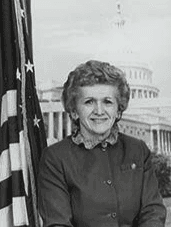
Helen Delich Bentley (1923–2016) was a prominent American politician, journalist, and trade expert of Serbian descent, best known for her service in the US House of Representatives and her advocacy for American maritime industries.
She was born on November 28, 1923, in Ruth, a small mining town in White Pine County, Nevada, to Serbian immigrant parents. Her life was shaped by early hardship—at the age of eight, her father died of silicosis, a common miners’ disease. This tragedy had a lasting impact on her worldview and career ambitions.
Helen Delich
Bentley
Helen Delich Bentley (1923–2016) was a prominent American politician, journalist, and trade expert of Serbian descent, best known for her service in the US House of Representatives and her advocacy for American maritime industries.
She was born on November 28, 1923, in Ruth, a small mining town in White Pine County, Nevada, to Serbian immigrant parents. Her life was shaped by early hardship—at the age of eight, her father died of silicosis, a common miners’ disease. This tragedy had a lasting impact on her worldview and career ambitions.
Veljko Šošo
/Brad Dexter
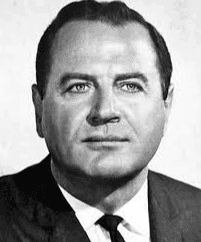
Veljko Šošo (1917-2002), better known by his stage name Brad Dexter, was a Serbian-American actor and producer, celebrated for his role in The Magnificent Seven and remembered as one of the first Serbs to make a name for himself in Hollywood.
Born in 1917 in Goldfield, Nevada, to Herzegovinian Serbian immigrants, Šošo’s early life was marked by hardship. After a major fire destroyed Goldfield in 1923, his family relocated to Los Angeles, where he would spend most of his life. As a young man, he dabbled in amateur boxing before pursuing acting. He earned a scholarship to the prestigious Pasadena Playhouse, a major acting school that launched the careers of stars like Dustin Hoffman and Gene Hackman.
Veljko Šošo
/Brad Dexter
Veljko Šošo (1917-2002), better known by his stage name Brad Dexter, was a Serbian-American actor and producer, celebrated for his role in The Magnificent Seven and remembered as one of the first Serbs to make a name for himself in Hollywood.
Born in 1917 in Goldfield, Nevada, to Herzegovinian Serbian immigrants, Šošo’s early life was marked by hardship. After a major fire destroyed Goldfield in 1923, his family relocated to Los Angeles, where he would spend most of his life. As a young man, he dabbled in amateur boxing before pursuing acting. He earned a scholarship to the prestigious Pasadena Playhouse, a major acting school that launched the careers of stars like Dustin Hoffman and Gene Hackman.
Đorđe Šagić
/George Fisher
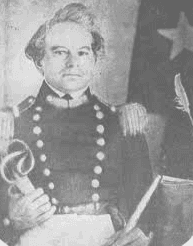
Đorđe Šagić (1794–1873), better known as George Fisher, was the first registered Serbian immigrant to the United States and one of the most fascinating yet forgotten Serbs who left a significant mark on both American and Mexican history in the 19th century.
He was born in 1794 in Stoni Beograd, near Budapest, and as a young man abandoned his studies at the Seminary in Sremski Karlovci to join the First Serbian Uprising against the Ottoman Empire. After the uprising was temporarily crushed, he traveled across Europe as a merchant before boarding a ship in Hamburg in 1816, penniless, bound for Philadelphia. Upon arrival in the US, he adopted the name George Fisher.
Đorđe Šagić
/George Fisher
Đorđe Šagić (1794–1873), better known as George Fisher, was the first registered Serbian immigrant to the United States and one of the most fascinating yet forgotten Serbs who left a significant mark on both American and Mexican history in the 19th century.
He was born in 1794 in Stoni Beograd, near Budapest, and as a young man abandoned his studies at the Seminary in Sremski Karlovci to join the First Serbian Uprising against the Ottoman Empire. After the uprising was temporarily crushed, he traveled across Europe as a merchant before boarding a ship in Hamburg in 1816, penniless, bound for Philadelphia. Upon arrival in the US, he adopted the name George Fisher.
Mladen Sekulović
/Karl Malden
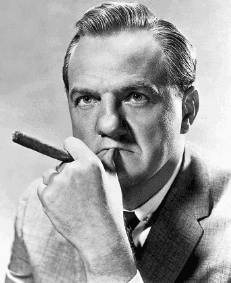
Karl Malden (born Mladen Sekulović, 1912–2009) was a celebrated American actor of Serbian and Czech heritage, renowned for his powerful performances in both film and television. Born in Chicago to a Serbian father from Bileća (Herzegovina) and a Czech mother, Malden was raised in Gary, Indiana, where he worked in a steel mill before pursuing a career in acting. Deeply connected to his Serbian roots, he grew up speaking the language and participating in Serbian Orthodox Church life in the United States.
Mladen Sekulović
/Karl Malden
Karl Malden (born Mladen Sekulović, 1912–2009) was a celebrated American actor of Serbian and Czech heritage, renowned for his powerful performances in both film and television. Born in Chicago to a Serbian father from Bileća (Herzegovina) and a Czech mother, Malden was raised in Gary, Indiana, where he worked in a steel mill before pursuing a career in acting. Deeply connected to his Serbian roots, he grew up speaking the language and participating in Serbian Orthodox Church life in the United States.
Đorđe Zečević
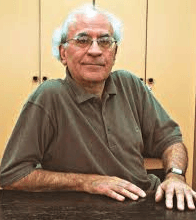
Đorđe Zečević (1935–2012) was a Serbian-born film producer, businessman, and founder of the production company Smart Egg Pictures, who left a lasting impact on both European and American cinema.
Born on January 26, 1935, in Belgrade, Zečević graduated from the University of Belgrade Faculty of Economics and later completed business administration studies in New York. In the 1960s, he worked as a manager and director at Chrysler, and later as a regional representative for Mitsubishi, overseeing operations in the Mediterranean, Africa, and the Middle East. He also owned and managed the company Velauto International.
Đorđe Zečević
Đorđe Zečević (1935–2012) was a Serbian-born film producer, businessman, and founder of the production company Smart Egg Pictures, who left a lasting impact on both European and American cinema.
Born on January 26, 1935, in Belgrade, Zečević graduated from the University of Belgrade Faculty of Economics and later completed business administration studies in New York. In the 1960s, he worked as a manager and director at Chrysler, and later as a regional representative for Mitsubishi, overseeing operations in the Mediterranean, Africa, and the Middle East. He also owned and managed the company Velauto International.
Subscribe to email updates
Once monthly, no spam
Subscribe to email updates
Once monthly, no spam